UX Experience: 5 Tips for User-Centric Design in 2026

Online interactions are part of everyday life, so a user-centric UX (user experience) is no longer optional. Technology and customer expectations keep shifting, and a smooth experience is one of the clearest ways to stand out.
So how do you make sure your UX design hits the mark? Here are five tips for building an experience that resonates with your audience in 2026.
Understand Your Users Inside Out

Before you design anything, get to know your audience. Run user research to learn about their behaviors, preferences, and pain points. Surveys, interviews, and analytics data will show you who your users are and what they expect from your product.
AI tools can help you summarize interview notes and spot patterns faster. They are no substitute for talking to real people, though.
Good UX is not only about aesthetics. It is about solving real problems and meeting real needs.
Streamline Navigation for Intuitive User Journeys
A cluttered or confusing menu frustrates users and drives them away from your site or app. Aim for simplicity and clarity.
Organize content in a logical hierarchy, with clear categories and labels. Use patterns people already know, such as top-level menus, breadcrumbs, and search. Design for mobile first, so navigation works well on every screen size.
When navigation is easy, users explore more and stay longer.
Prioritize Performance and Speed
Nobody likes to wait. Slow pages and sluggish interfaces push users toward alternatives, and speed also feeds into your search rankings through Core Web Vitals. Treat performance as a core part of your UX strategy.
Start with the basics:
- Compress and properly size images, and use modern formats such as WebP or AVIF.
- Minify code and ship only the JavaScript you need.
- Use browser caching and a CDN.
- Load above-the-fold content first, and lazy-load everything else.
Foster Clear Communication and Feedback
Clear instructions and helpful error messages are the cornerstone of a user-centric experience. Every interaction should tell users what is happening and what to do next.
Keep content concise, scannable, and free of jargon. Use descriptive labels and microcopy to guide people through forms. Add feedback such as confirmation messages and tooltips, so users know their action worked.
Confident users make fewer mistakes and give up less often.
Continuously Test and Iterate
UX design is never finished. Even well-researched designs benefit from real-world testing, so build testing into your routine.

Use A/B testing, usability testing, and heatmaps to see how people actually use your product. Ask real users for feedback through surveys, interviews, and test sessions to hear about their pain points firsthand.
Regular experiments keep your design aligned with changing user needs.
Conclusion
User-centric design is an ongoing commitment to putting your users’ needs first. Follow these five tips and you will have a strong foundation for a UX experience that ranks well on Google and keeps people coming back.
Four Inspiring Sources for UX Inspiration
You made it to the end, so here is a reward: four websites worth bookmarking.
Awwwards
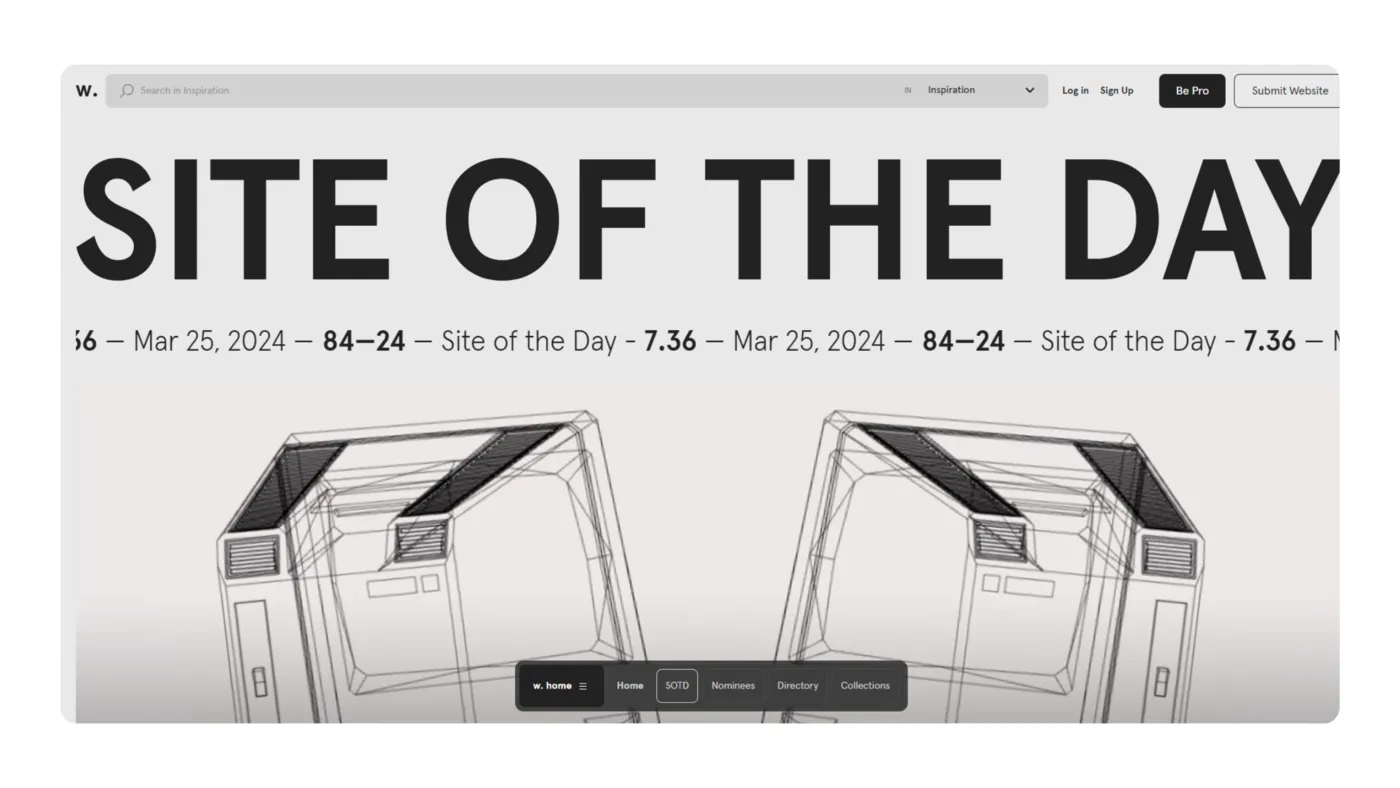
Awwwards recognizes the work of web designers, developers, and agencies worldwide. Its collection of award-winning websites is a good place to spot current trends and fresh approaches to UX.
Behance
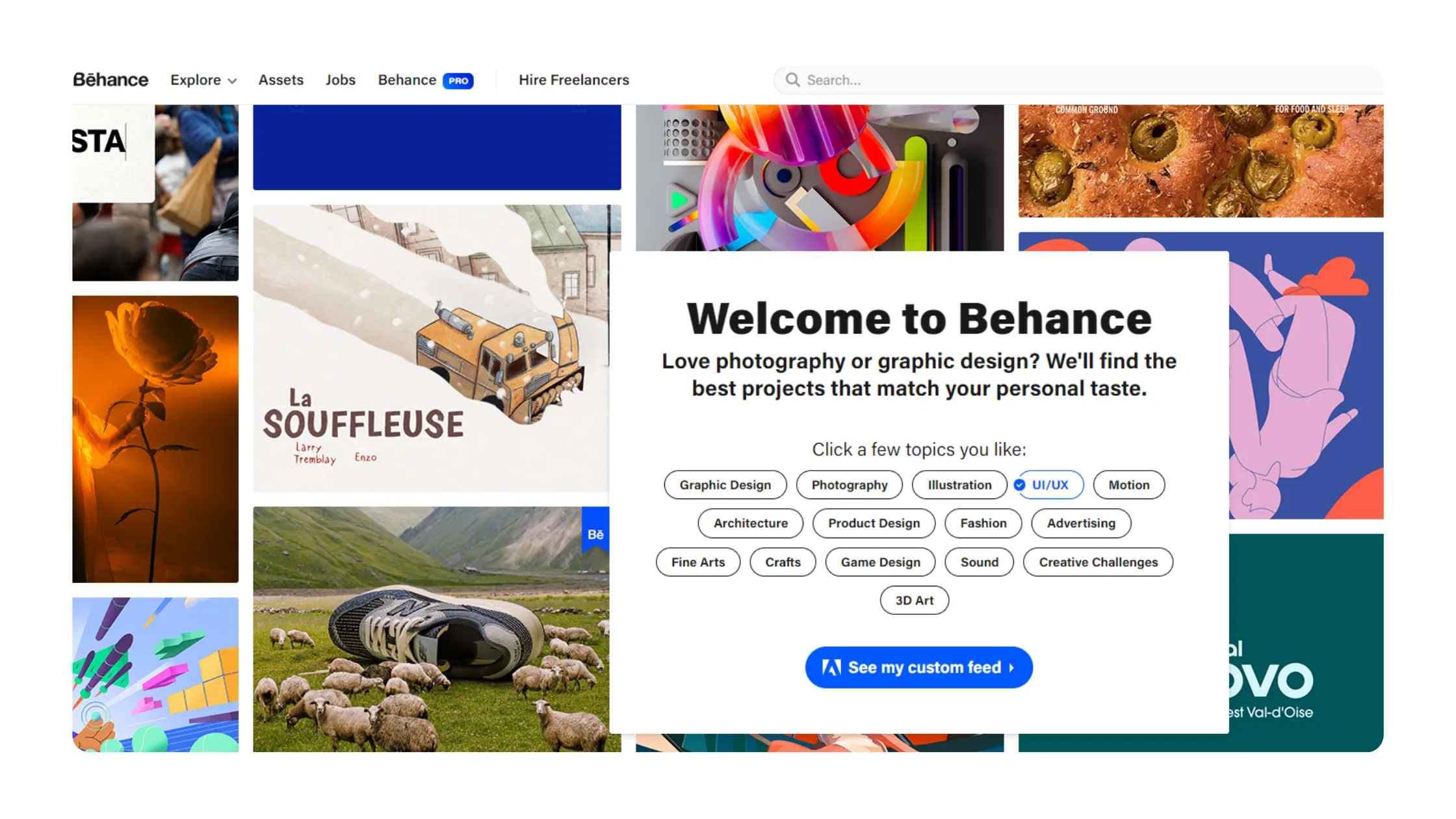
Behance, from Adobe, is a platform for showcasing and discovering creative work in UX, graphic design, illustration, and more. Its project portfolios show how designers explain their process and decisions.
Dribbble
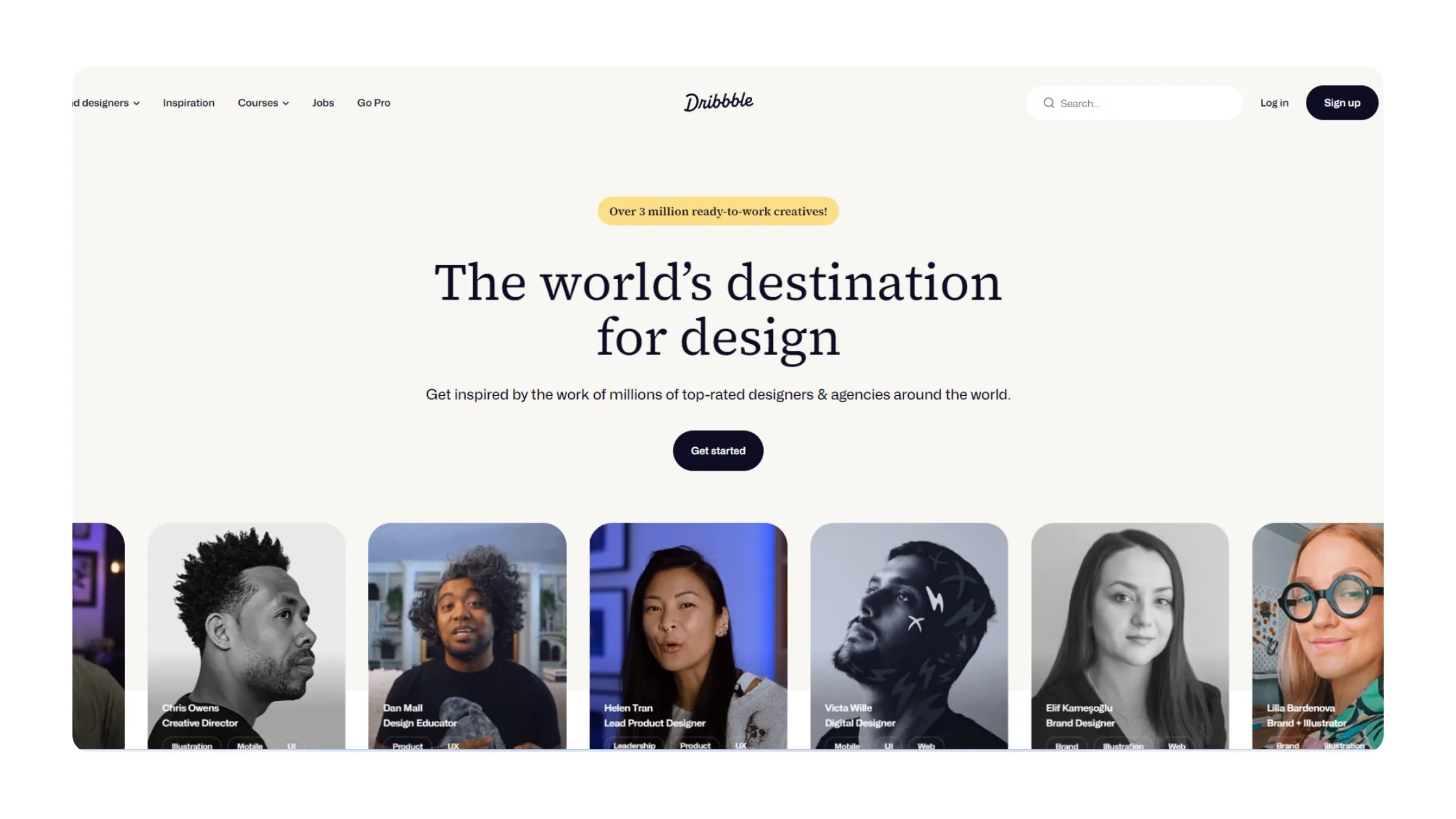
Dribbble is a community where designers share “shots”, small previews of their projects. It is a handy place to get feedback, find collaborators, and discover different design styles.
Land Book
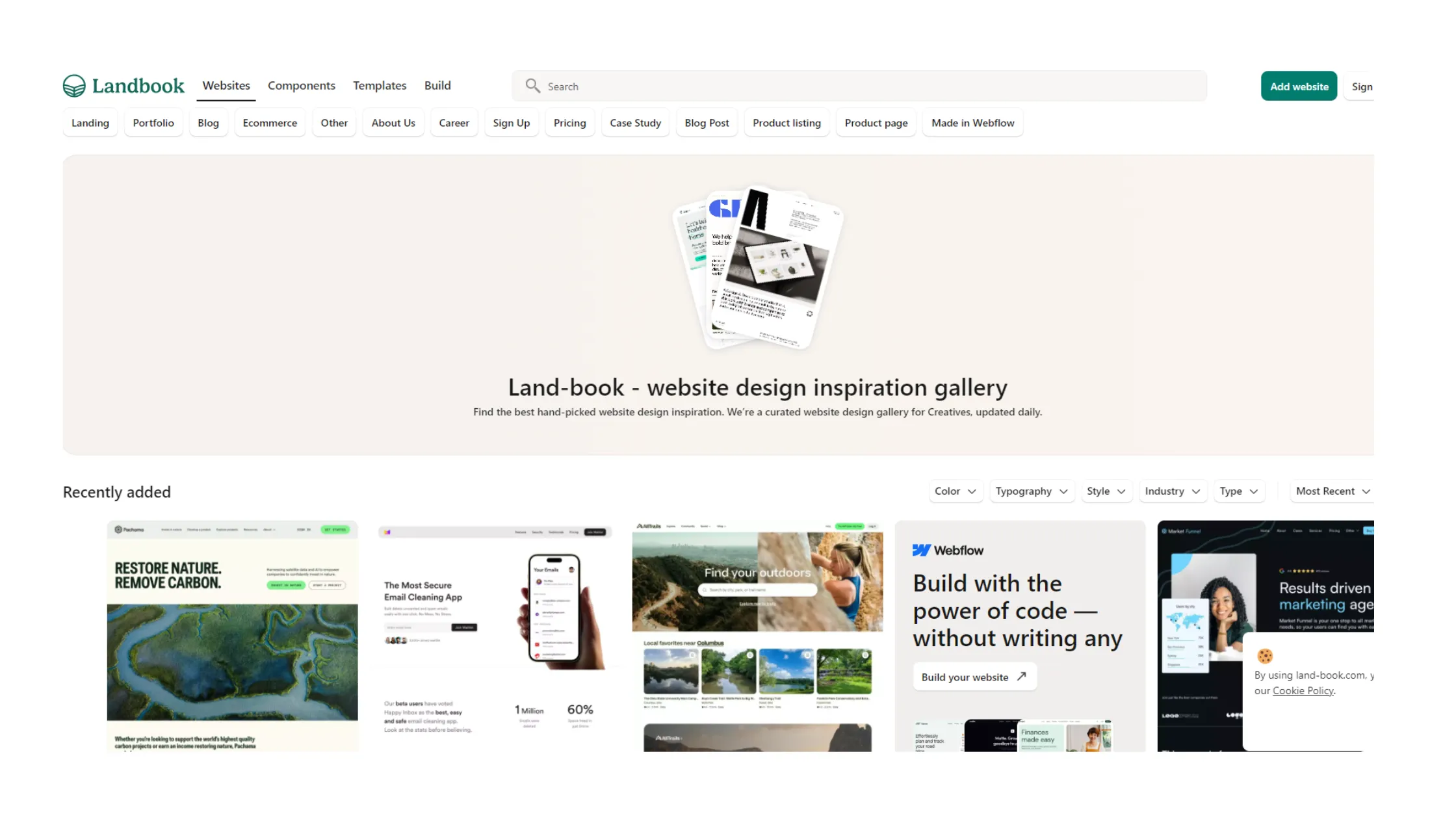
Land Book is a curated gallery of well-designed landing pages across many industries. It is useful for studying what effective, conversion-focused layouts look like.
Want a user-centric design for your website or app? Contact OneK and let’s talk about your project.