5 Website Types & Practices to Get Noticed (+ Examples)
What kinds of websites are out there? From online stores to creative portfolios, there is a website type for almost every purpose. In this article, we walk through five of the most common website types, share real-world examples, and give you practical tips to make yours stand out in 2026.
Ecommerce Websites
Ecommerce websites let businesses reach customers well beyond their local area. They work as virtual marketplaces where products and services are showcased and sold entirely online.
Best Practices for Ecommerce Websites
- Optimized user experience (UX):
- Use intuitive menus and clear product categories.
- Use a responsive design that works on desktops, tablets, and smartphones. Most shoppers browse on mobile, so design for small screens first.
- Streamline checkout with as few steps as possible and offer guest checkout to reduce friction for first-time buyers.
- High-quality product imagery and descriptions:
- Use high-resolution images that show your products from multiple angles.
- Write detailed descriptions covering features, specifications, and benefits.
- Show customer reviews and ratings to build trust.
- Secure payment processing:
- Protect payment data with HTTPS and by working with a compliant payment provider.
- Offer several payment options, such as cards, digital wallets, PayPal, and Apple Pay, and local options your customers prefer.
- Show trust signals, such as clear return policies and security badges, so customers feel safe buying.
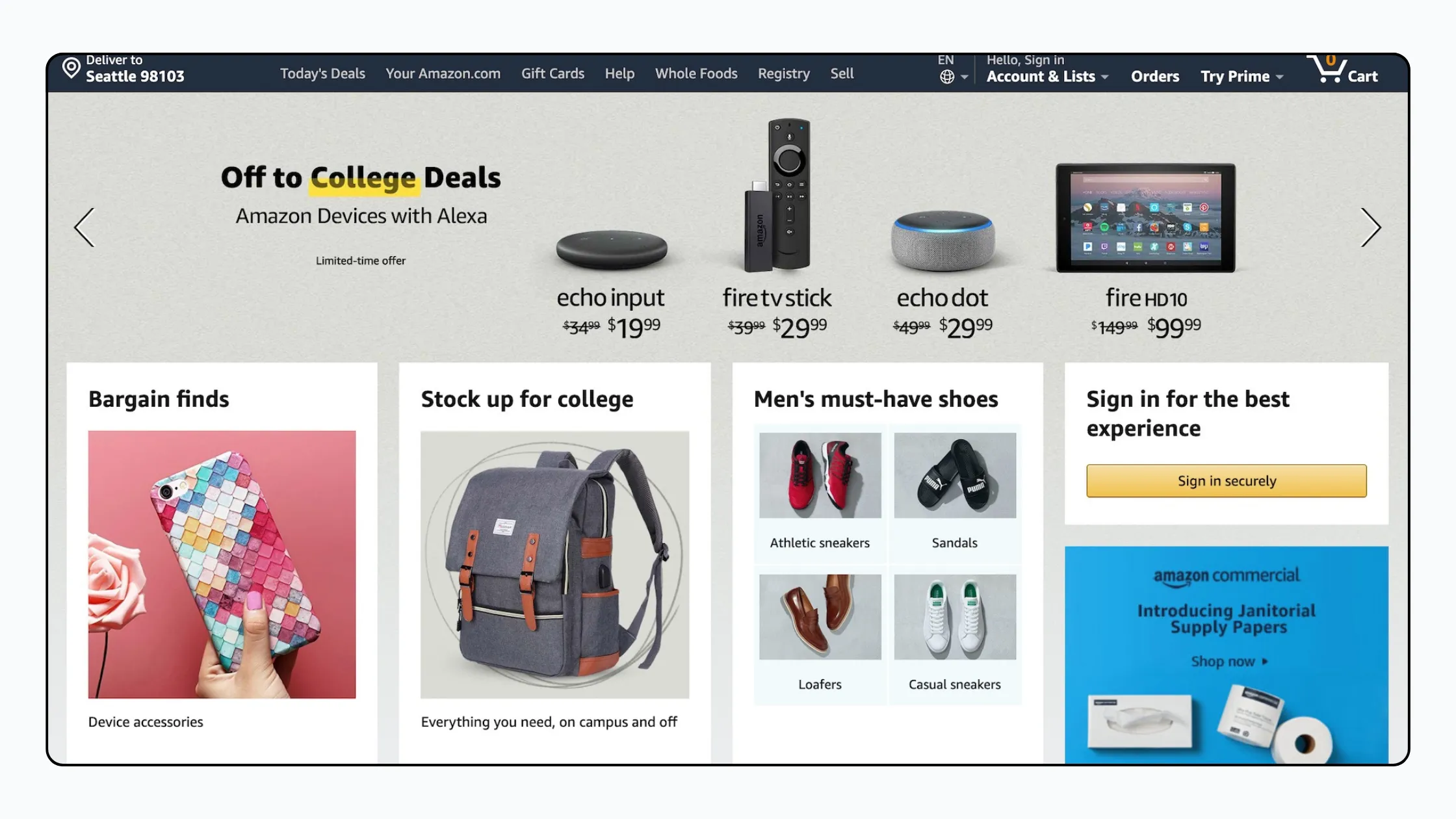
Example: Amazon is a pioneer and powerhouse of ecommerce and has set the standard for online shopping experiences worldwide.
Portfolio Websites
A portfolio website is a personal or business showcase for your work, from artwork and photography to design projects and writing samples. Visually appealing layouts and galleries let visitors browse your work and get a sense of your style and skill level.
Best Practices for Portfolio Websites
- Visual impact and consistency:
- Choose a striking design that reflects your personal brand or artistic style.
- Keep colors, fonts, and imagery consistent throughout the site for a cohesive, professional look.
- Clear navigation and organization:
- Use intuitive menus and clear calls to action to guide visitors.
- Organize your work into categories or projects so visitors can quickly find what they need.
- High-quality content and presentation:
- Showcase your best work first, with high-resolution images and engaging descriptions.
- Compress images and remove unnecessary elements so pages load quickly.
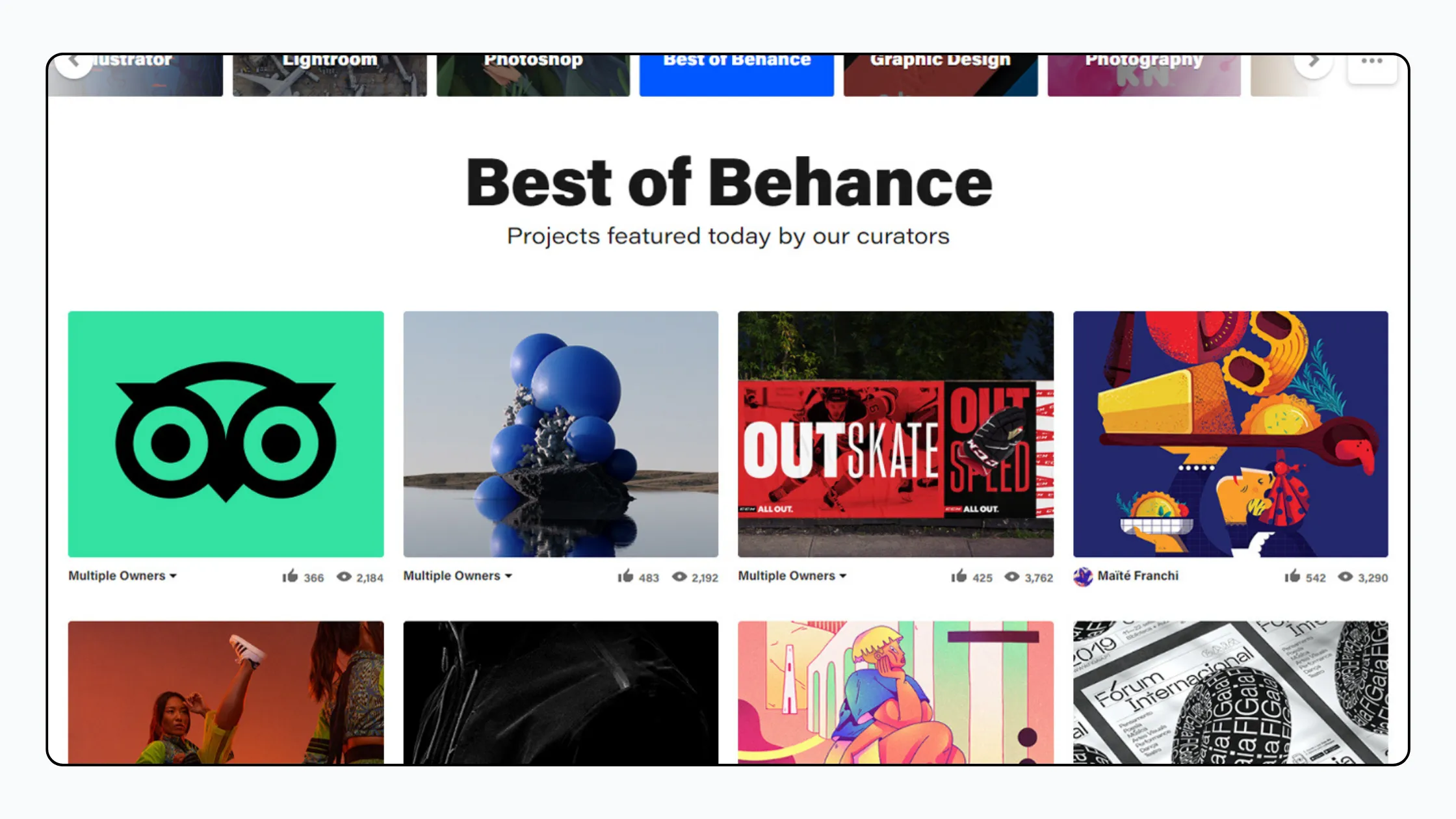
Example: Behance is a platform for creative professionals to showcase their work and connect with others in their industry. Users can build individual portfolios to display projects, artwork, and designs.
Educational Websites
An educational website is an online platform for sharing knowledge and promoting learning. Whether it is a school offering structured courses or a community platform with informal resources, educational sites make learning accessible to more people.
Best Practices for Educational Websites
- Interactive learning experiences:
- Use videos, animations, and interactive simulations to engage learners.
- Add exercises, quizzes, and assessments with immediate feedback.
- Encourage collaboration through discussion forums and group projects.
- Personalized learning paths:
- Use performance data, and increasingly AI-powered tools, to recommend content suited to each learner.
- Offer dashboards where users can track progress and set learning goals.
- Let learners choose topics and difficulty levels that match their needs.
- Accessible content and design:
- Follow web accessibility guidelines (WCAG) and provide alternatives such as captions for videos and transcripts for audio.
- Support keyboard navigation, resizable text, and high color contrast.
- Run regular accessibility audits and usability tests with diverse users.
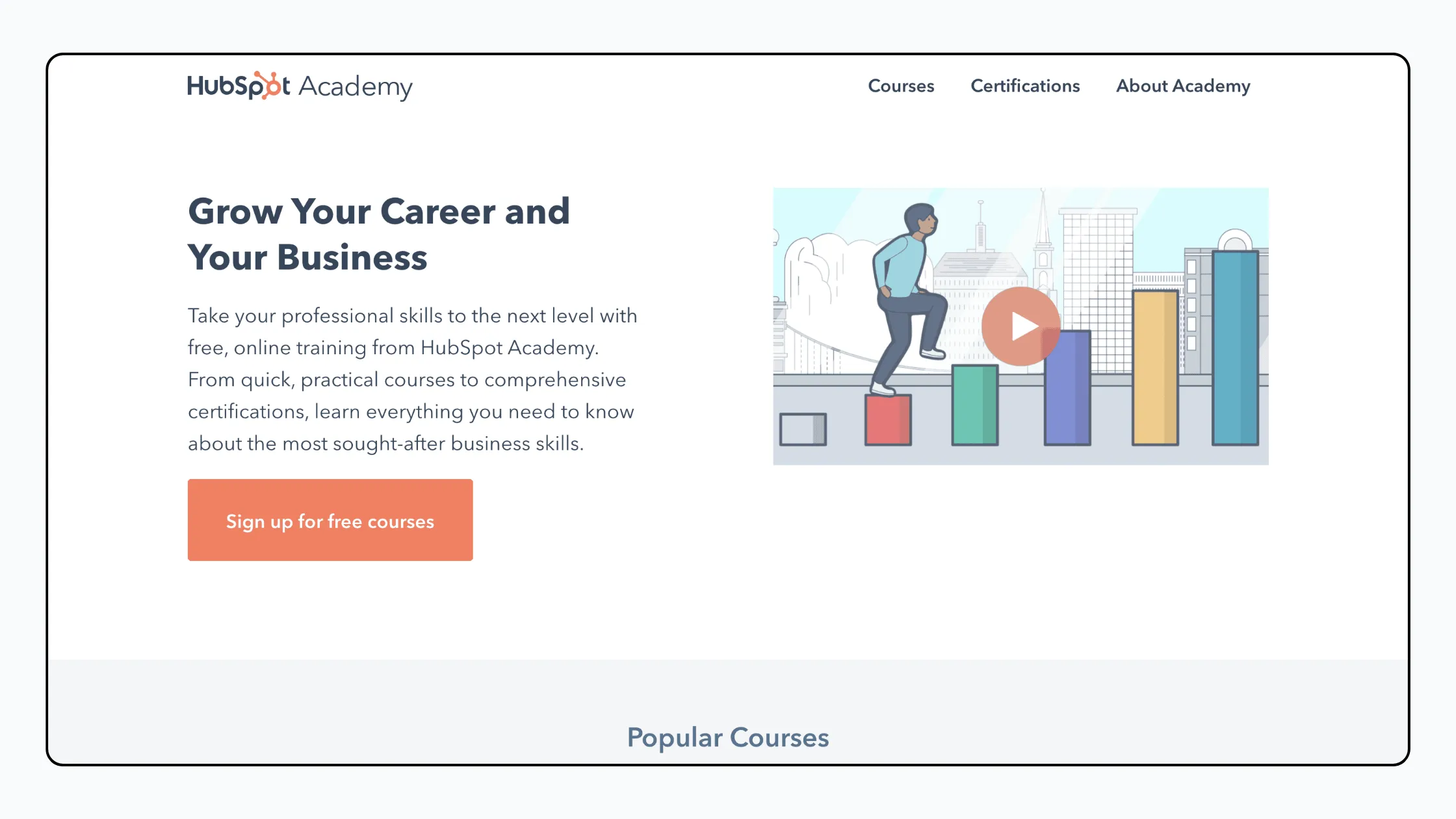
Example: HubSpot Academy is an online platform offering free courses, certifications, and resources in digital marketing, sales, customer service, and business development.
News Websites
News websites deliver up-to-date information and analysis on a wide range of topics, including politics, business, technology, entertainment, and sports. They give readers one place to find breaking news, in-depth articles, opinion pieces, and multimedia content.
Best Practices for News Websites
Timeliness and Accuracy
- Publish updates promptly and accurately.
- Verify information from multiple sources before publishing.
- Clearly separate news, analysis, and opinion.
Community Engagement and Interaction
- Build engagement with comment sections, social sharing, and reader contributions.
- Encourage readers to share articles and join discussions.
- Moderate comments to keep conversations respectful and relevant.
Engaging Multimedia Content
- Use videos, images, infographics, and interactive graphics to enhance storytelling.
- Make sure multimedia complements the written article and adds context.
- Optimize multimedia for fast loading and smooth playback on every device and connection.
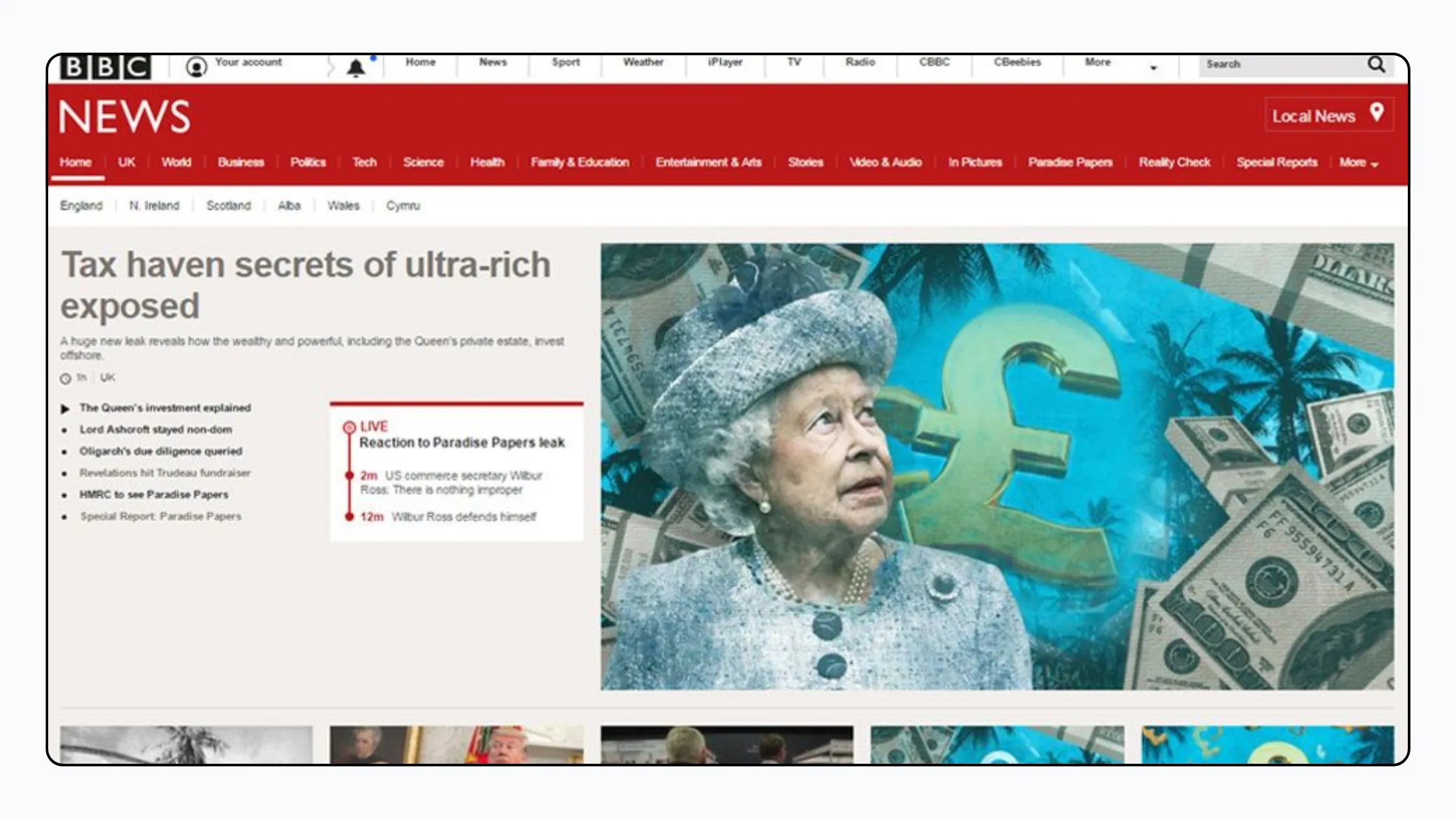
Example: BBC News is a cornerstone of journalism, delivering comprehensive coverage of news and current affairs from around the world.
Community Websites
A community website is a digital hub where people with shared interests, hobbies, or affiliations gather to interact and discuss. These sites serve hobbyist groups, professional networks, support forums, social clubs, and more.
Best Practices for Community Websites
- Clear guidelines and moderation policies:
- Publish concise community guidelines covering expected behavior and posting rules.
- Provide moderation tools such as user reporting and moderation queues, and active moderators to enforce the rules consistently.
- Engagement and participation incentives:
- Recognize valuable contributions, such as helpful answers, with badges or rewards.
- Use light gamification, like leaderboards and challenges, to encourage friendly participation.
- Community-driven content and collaboration:
- Let members contribute posts, tutorials, and other resources.
- Offer tools for collaboration, such as shared documents or resource libraries.
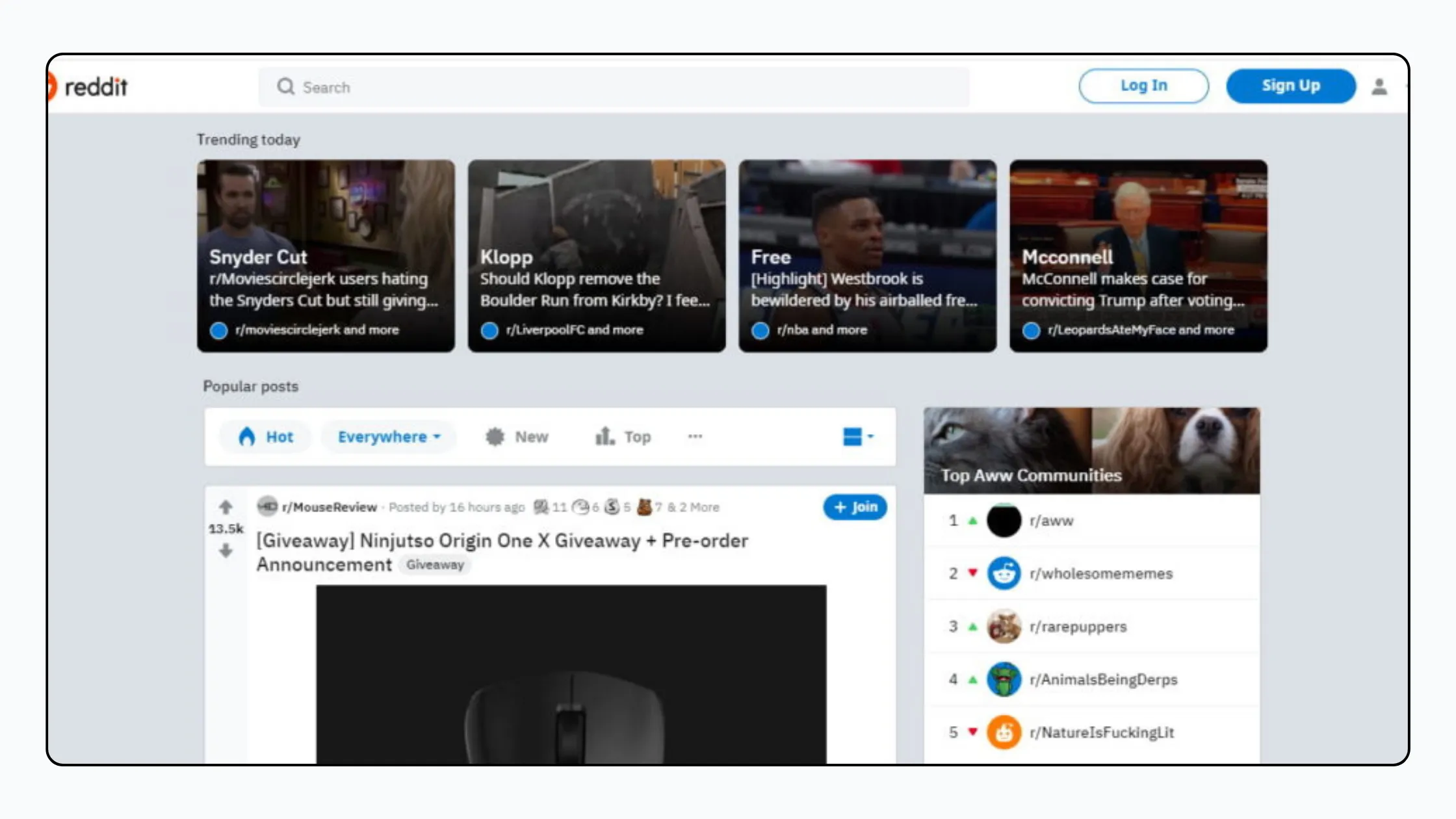
Example: Reddit is a community-driven platform where users submit links, posts, images, and text to topic-specific communities called subreddits.
Conclusion
Websites come in many types, each serving different purposes and audiences. From ecommerce platforms to educational sites, the web offers a wide range of digital spaces to explore and connect.
No website idea is too big. Contact OneK and we will help you build the site you have in mind.